


Mongolia in autumn is a short, vivid season: the northern larch forests turn gold, the steppe fades from green to amber, and the ger camps grow quiet as summer travellers head home. Our recommended way to route it is to pick one anchor region and travel it slowly — the north in September, Central Mongolia or the Gobi through September and into October — rather than chasing the colour across the whole country. In this guide we walk through what each region feels like in autumn, how quickly conditions shift between early September and late October, and the routing adjustments we build into every autumn itinerary as the Mongolianstar Adventures Travel Design Team. For the wider calendar, see our season-by-season guide to the best time to visit Mongolia.
By the Mongolianstar Adventures Travel Design Team — itinerary architects for our six curated collections and bespoke private journeys.
Autumn routing at a glance
- September is the month for Northern Mongolia — larch gold around Khuvsgul Lake before higher-ground frosts set in.
- Central Mongolia is our default autumn base: valleys, monasteries, hot springs and the Mini Gobi dunes within comfortable driving distance of Ulaanbaatar.
- The Gobi stays routable into October in our experience.
- Fewer regions, longer stays: shorter daylight rewards depth over distance.
- Private itineraries can be reordered mid-trip if a cold snap arrives — that flexibility is the point of travelling privately in a shoulder season.
What Does Mongolia in Autumn Look Like Region by Region?
In Mongolia, autumn runs roughly from early September to late October: the northern larch forests around Khuvsgul Lake turn gold in September, while Central Mongolia and the Gobi stay routable into October on our itineraries. Autumn does not arrive everywhere at once. In our planning experience the colour moves through the country week by week, roughly north to south and high ground to low — which is exactly why the route matters more than the month on your ticket.
Northern Mongolia: the larch taiga turns gold
Around Khuvsgul Lake, the Siberian larch forests put on the season's headline display — whole hillsides of needles shifting from green to a deep, luminous gold above dark water. We route lake journeys in September, when roads are still good and the first frosts are just touching the higher ground. From October, our team switches northern travellers to winter-designed itineraries, because roads become variable with possible snow and ice. If golden larches are your reason for coming, September in the north is the window to plan around — and it is worth asking us about current conditions closer to your dates, since the exact peak weeks move with the weather each year.
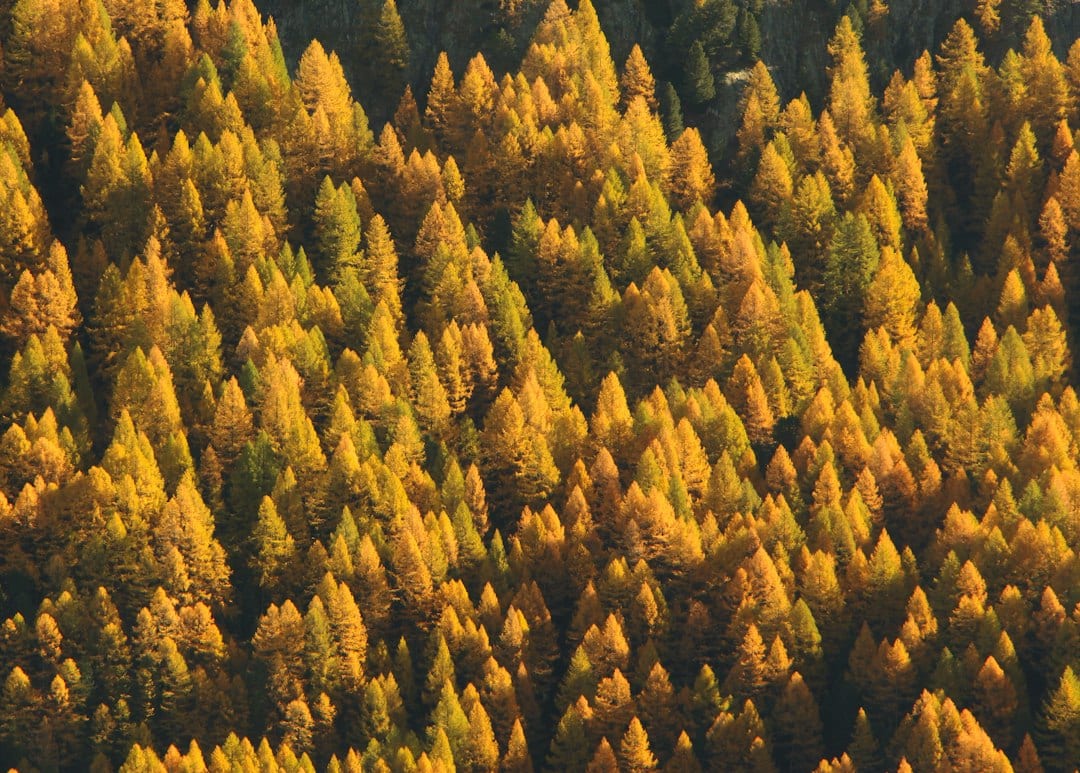
For duration, our standing guidance holds in autumn as in summer: a four- to five-day Khuvsgul loop works best flying one or both ways, while seven to eight days allows a taiga and reindeer-herder detour. Flying north and returning overland is the combination we typically recommend.
Central Mongolia: our default autumn base
If you want one region that carries an entire autumn journey, we point you to Central Mongolia. The grasslands turn golden yellow, the monastery towns and valley landscapes take on a quieter, end-of-season rhythm, and the driving distances stay manageable as daylight shortens.
Our published Central Mongolia in Autumn journey — 10 days / 9 nights as listed on the tour page — shows how we shape the season:
- Ulaanbaatar → Tsonjin Boldog and Terelj for the gateway landscapes
- Hustai for wild takhi horses on the rolling steppe
- Elsen Tasarkhai and Khujirt — Mini Gobi dunes, then the hot springs — a long-standing local stop for a warm soak, which our design team builds into autumn routes as a weather-proof afternoon
- Tsetserleg and Tsenkher for valley scenery and another hot-spring stop
- Kharkhorin and Erdene Zuu, the old imperial capital and its monastery, before returning to Ulaanbaatar
Daytime temperatures of 15–20°C (59–68°F) and nights of 5–10°C (41–50°F) are quoted on that tour page, with heated accommodation throughout — a fair picture of what a well-routed central autumn trip feels like. As listed on the tour page at the time of writing, it is packaged in 4-star and 5-star hotel/ger-camp tiers, with properties of the calibre of Kempinski Hotel Khan Palace in Ulaanbaatar and the Terelj Star Resort ger camp (confirm current selection when we hold your dates).
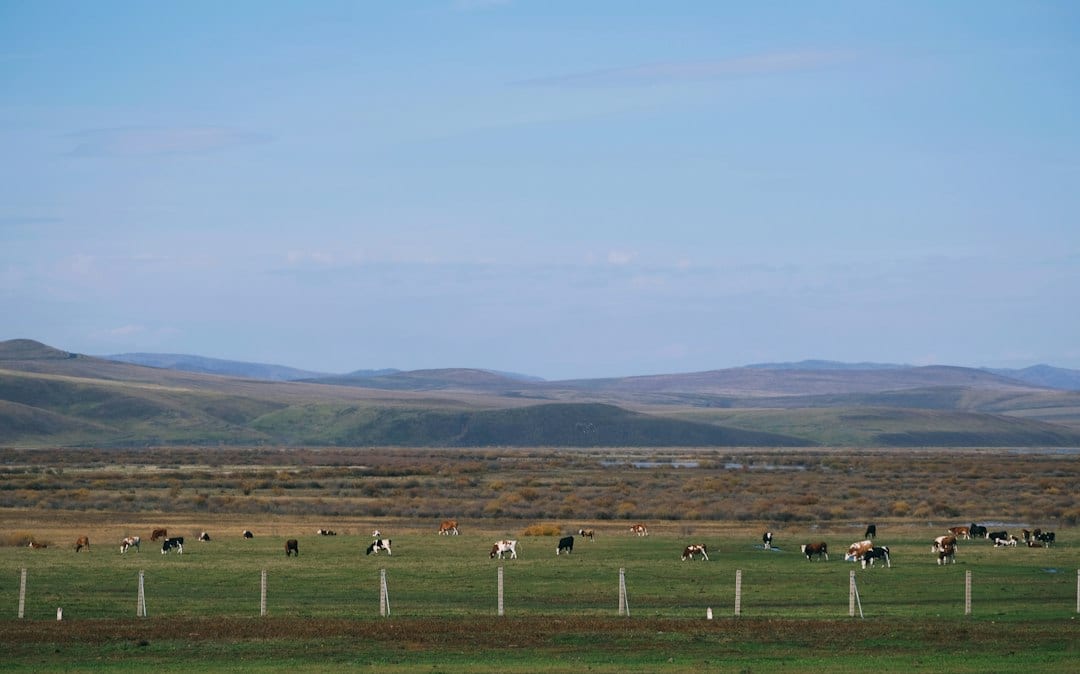
One honest caveat from our design notes: in autumn we treat the Orkhon Valley as a scenery-and-history stop rather than an activity base. The valley and Erdene Zuu are still worth the drive, but camp-based extras taper off, so we shorten the overnight and keep the day trips.
The Gobi: milder days, quieter camps in our experience
In our experience the Gobi is one of autumn's quiet rewards. In the routes we run, the Gobi feels noticeably quieter from early September, and in the Octobers we have routed, desert tracks have generally been passable — though conditions are weather-dependent and we re-check them before each departure. The desert's fierce summer heat gives way to gentler walking and camel-trekking days. The constraint is the calendar at the other end: we time desert legs to finish before camps begin closing in late October. Individual camp closing dates vary year to year, so we confirm operating status when we hold your dates rather than assuming last season's calendar. For a month-by-month view, see the Southern Mongolia destination page.
Western Mongolia and the Altai: the festival autumn
Autumn is also festival season in the far west: our Golden Eagle Festival journeys run in the Altai region of Western Mongolia, and we plan them as their own anchor rather than combining them with the north or the Gobi. Ask our Travel Design Team for the current Festival Collection dates and routing — we confirm the festival schedule and camp availability before holding your dates.
The eastern steppe: open country, discussed case by case
Eastern Mongolia is the country's great expanse of open steppe, and autumn's amber tones suit its scale. Our published autumn routing outside the festival season focuses on the north, centre and Gobi, so if the east calls to you, treat it as a bespoke conversation — we will talk honestly about distances, camp availability and what the season supports there before committing a route.
How Quickly Do Conditions Shift from September to October?
September and October are two different planning problems in Mongolia: September suits the northern larch country around Khuvsgul Lake, while October suits Central Mongolia and the Gobi on our routings, with ger camps winding down in late October. Think of autumn as three overlapping phases rather than one season:
| Window | Where we route | What to expect |
|---|---|---|
| Early–mid September | North (Khuvsgul), Central, Gobi | Larch colour building in the north; good northern roads; Gobi feeling quieter on our routings |
| Late September–early October | Central, Gobi | Northern access becoming weather-dependent; central valleys in their golden phase on our routings |
| Mid–late October | Central (with care), Gobi finishing | Possible snow and ice up north; ger camps beginning to close; desert legs completed before shutdowns |
September and October side by side — what changes between the two months:
| What you are planning around | September | October |
|---|---|---|
| Northern larch colour (Khuvsgul Lake) | Needles turning gold; the month we route the north in | We switch northern travellers to winter-designed itineraries; roads variable with possible snow and ice |
| Central valleys | Grasslands fading from green toward gold | Valleys in their golden phase; our default autumn base |
| Gobi | Noticeably quieter on the routes we run; gentler walking and camel-trekking days | Desert tracks generally passable in the Octobers we have routed; legs timed to finish before camps close |
| Ger camp availability | Camps operating; earlier booking helps if you want a specific camp | Camps begin winding down and closing in late October; calendars differ, so we confirm when holding dates |
| Typical day/night temperature (central autumn route) | 15–20°C (59–68°F) by day and 5–10°C (41–50°F) at night, as quoted on our Central Mongolia in Autumn tour page — journey-wide figures, not month-by-month averages | |
| Daylight (qualitative) | Enough usable day for a transfer plus an afternoon walk | Noticeably shorter; we plan shorter driving days and earlier camp arrivals |
Source note: the temperature figures are quoted from our published Central Mongolia in Autumn tour page. Colour timing, crowd levels, road conditions, camp calendars and daylight guidance are Travel Design Team observations from the routes we run, not measured statistics — we re-check them before each departure.
Pairing the north with the deep Gobi is a September-only option — see the FAQ below. The Elsen Tasarkhai Mini Gobi dunes give central-route travellers their desert moment without a second long transfer.
One timing rule still applies: late October is a finishing line, not a starting line. Camp seasons wind down toward the end of the month, so an autumn itinerary should be designed to complete its remote legs before then, ending in Ulaanbaatar where hotels run year-round.
Colour weeks move with the weather
We deliberately do not publish fixed "peak colour" dates for the larch forests — the timing shifts each year with temperature and frost. Tell us your dates and what you most want to see, and we will route around the season as it is actually unfolding, not a calendar average.
Why Do Fewer Regions and Longer Stays Win in Autumn?
Daylight shortens through the season, and a long driving day consumes more of the usable day than it does in June. That is the simple arithmetic behind our autumn pacing rules — the same rules we apply to every private itinerary we design for September and October:
- Build in a rest day. A settled day at a ger camp or valley hotel lets you absorb a place instead of photographing it from a car window.
- Never schedule two long driving days back to back. Alternating transfers with short local days keeps the journey feeling like travel, not transport.
- Plan shorter driving days and earlier camp arrivals. Arriving with afternoon light left means the dune walk or the lakeshore stroll actually happens.
- Choose one anchor region. Depth in the north, or the centre, or the Gobi beats a rushed cross-country loop that spends the season's best hours on the road.
This is also where travelling privately earns its keep. Because our itineraries are yours alone, days can be reordered when a cold snap arrives — a ger-camp night swapped for a hotel, a driving leg shortened, a hot-spring stop moved forward — all coordinated with our 24-hour trip assistance. For packing against those swings, see our Mongolia layering checklist. As a women-led Mongolian team with more than ten years of local travel expertise, we would rather adjust a route mid-journey than watch you follow a plan the weather has outgrown.
A worked example of autumn pacing
Our 10-day Central Mongolia in Autumn journey puts every rule above into practice — golden grasslands, hot springs, monasteries and heated nights, paced for the season.
See the autumn journeyWhich Collections and Travellers Does Autumn Suit Best?
Autumn rewards travellers who value quiet, colour and comfort over maximum activity coverage. Matching that to our collections:
- Festival Collection — our Golden Eagle Festival journeys in the Altai are an autumn anchor of their own; ask us for the current dates and routing.
- Deluxe Collection — a natural fit for autumn's slower rhythm: higher-comfort hotels and ger camps mean a weather-driven change of plan is a pleasant evening indoors, not a compromise. The autumn journey's 5-star tier reflects this style.
- Signature Collection — for travellers who want the season shaped around them, with premium properties and unhurried days.
- Family Collection — workable in September, when days are mild; we lean toward central routes with shorter transfers and heated accommodation for children.
- Explorer Collection — for active travellers happy to hike and ride in crisp air, with the understanding that some seasonal activities taper off later in the season.
- Standard Collection — a sound autumn choice on central routes where camp standards and heating matter more than remoteness.
If you are still weighing styles, tell our Travel Design Team your dates and priorities and we will compare them with you.
What to discuss with the design team when booking autumn dates
Bring these questions to the conversation and we will build the route around your answers:
- Your fixed dates versus your priorities — golden larches point to September in the north; quieter desert days point to the Gobi into October.
- Which anchor region you want, and whether a short contrast (like the Mini Gobi) is enough rather than a second full region.
- Camp preferences — earlier booking helps secure specific camps even though autumn and shoulder-season trips can usually be arranged at shorter notice than summer and festival dates.
- Comfort thresholds — heated ger camp versus hotel nights, and how you would feel about swapping one for the other if weather turns.
- Pace — how many driving hours feel acceptable per day, so we can protect your rest day and early arrivals.
Is autumn a good time to visit Mongolia for the first time?
Yes — especially September, and especially on a central route. You get golden landscapes, mild days — our Central Mongolia in Autumn journey quotes 15–20°C (59–68°F) by day — quieter camps and heated accommodation, with shorter driving distances than a cross-country loop. First-timers wanting the northern lakes should aim for September specifically.
Can I see both Khuvsgul Lake and the Gobi in one autumn trip?
Only within a narrow September window, and we rarely recommend it. Most travellers enjoy autumn more with one anchor region plus a shorter contrast — the Elsen Tasarkhai Mini Gobi dunes pair naturally with a central route.
When do ger camps close for the season?
Camps generally begin winding down and closing in late October, though each camp's calendar differs year to year. We design autumn routes so desert and remote legs finish before shutdowns, and we confirm individual camp operating status when holding your dates.
How far ahead should I book an autumn trip?
Autumn and shoulder-season trips can usually be arranged at shorter notice than summer and festival dates. Earlier booking still helps if you have a specific camp or property in mind.
What happens if a cold snap hits during my trip?
Because your itinerary is private, we can reorder days, swap a ger-camp night for a hotel or shorten a driving leg, coordinated through our 24-hour trip assistance. Flexibility is built into how we design autumn journeys.
Ready to Route Your Autumn?
Autumn in Mongolia asks for one decision made well: choose your anchor region, match it to the month, and let the pace follow the light. September belongs to the northern larches; the centre and the Gobi carry the season gracefully into October. If you are weighing the shoulder seasons against each other, Mongolia in spring is the other comparison worth reading. Tell us your dates and what you want to feel, and we will design the route that fits.
Let's design your golden-season journey
Share your dates, pace and priorities with our Travel Design Team — we will reply with an autumn route built around the season as it unfolds, backed by 24-hour assistance on the ground.
Start your autumn inquiry


