


For most first-time travellers, June to August brings green steppe, open ger camps and long days — with late May–early June and September–October as quieter shoulder windows rich in colour, and winter as a distinct cold-season experience under famously clear skies. Most of our journeys run from mid-May to the end of October, when conditions are most favourable; winter and early-spring departures are designed bespoke, with every overnight confirmed for your dates. This guide walks you through each season the way we design itineraries: not just what the landscape looks like, but how the season changes roads, driving distances and daily rhythm — so you can match your travel window to your journey length and collection style. If you are still deciding where to go, start with our overview of Mongolia's regions and highlights, then come back here to choose when.
Choosing your Mongolia travel window at a glance
- Summer (June–August): warm days, the Gobi camps we use normally open, the most reliable northern lake access — book four to six months ahead.
- Autumn (September–October): crisp air, golden larch forests in the north, thinner crowds.
- Spring (May–early June): fresh green landscapes and newborn livestock, but soft thawing roads call for buffer days.
- Winter (November–February): deep cold, clear blue skies and a quiet, distinct experience — planned around short daylight and confirmed logistics.
- Season changes routing and pacing, not just scenery — that is what a private, supported journey is designed to absorb.
What Does Each Season Actually Look Like in Mongolia?
Mongolia is known as the "Land of Eternal Blue Sky" for its dry, sunny continental climate. The climate is dry and continental, which means large day–night temperature swings: summer days are warm or hot with cooler, breezy evenings, and winter is cold and crisp rather than damp — a difference that matters more than travellers expect.
Here is the season-by-season picture we plan against, including what each window means for driving and daily pacing:
| Window | Landscape & conditions | Pacing implications | Regions that suit it best |
|---|---|---|---|
| May–early June | Fresh green landscapes, fewer travellers; can be slightly windy | Build in a buffer day in the north — thaw can soften roads and raise river crossings | Northern lakes (with flexibility), central steppe, late-May Gobi |
| June–August | High season: warm days, green steppe, long evenings | Gobi camps we use normally open; main routes usually dry; July–August gives the most dependable northern routes | Every region — Gobi, north, steppe, Altai extensions |
| September–October | Crisp air, autumn colours, fewer crowds; early frost on higher ground | Excellent Gobi roads through October in most years; finish routes before late-October camp closures | Gobi; northern larch forests in September |
| November–February | Cold but unique; quiet off-season with clear skies; severely cold Gobi nights in January–February | Short daylight limits daily distances; northern access limited with snow and ice possible | Carefully scoped cold-season journeys, planned bespoke |
| March–early May | Newborn livestock and nomadic life at its most active; unpredictable weather | Gobi wind and dust storms reduce visibility; April routes stay closer to paved roads with extra buffer days | Nomadic-life focused trips with flexible routing |
Summer: the widest choice, and the busiest
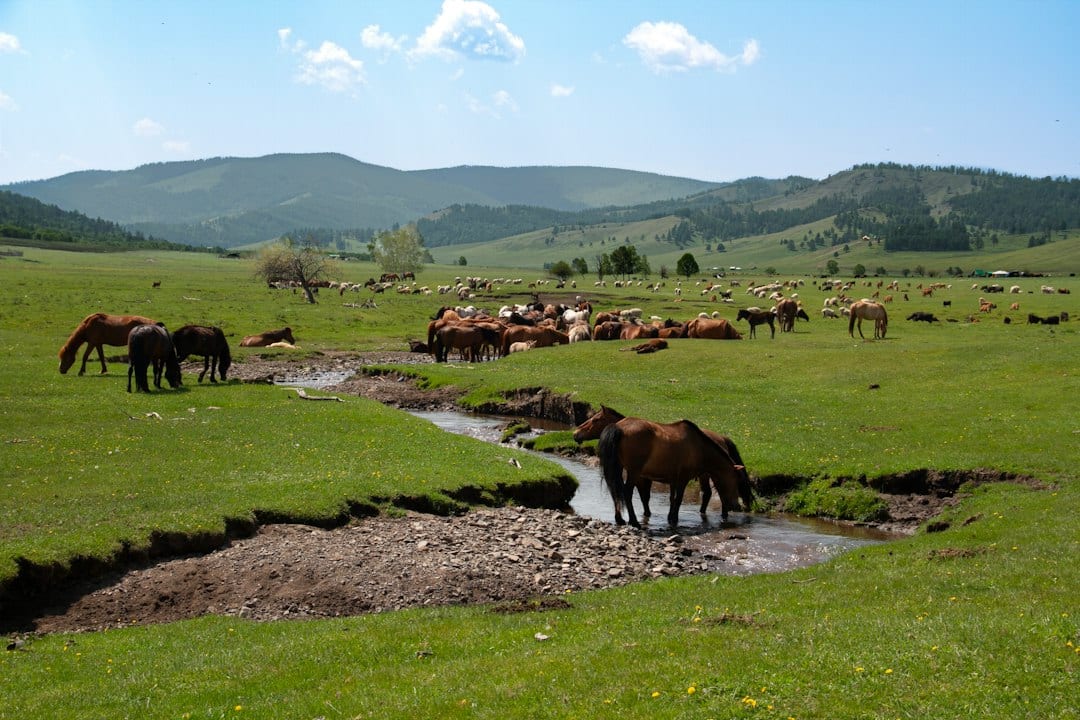
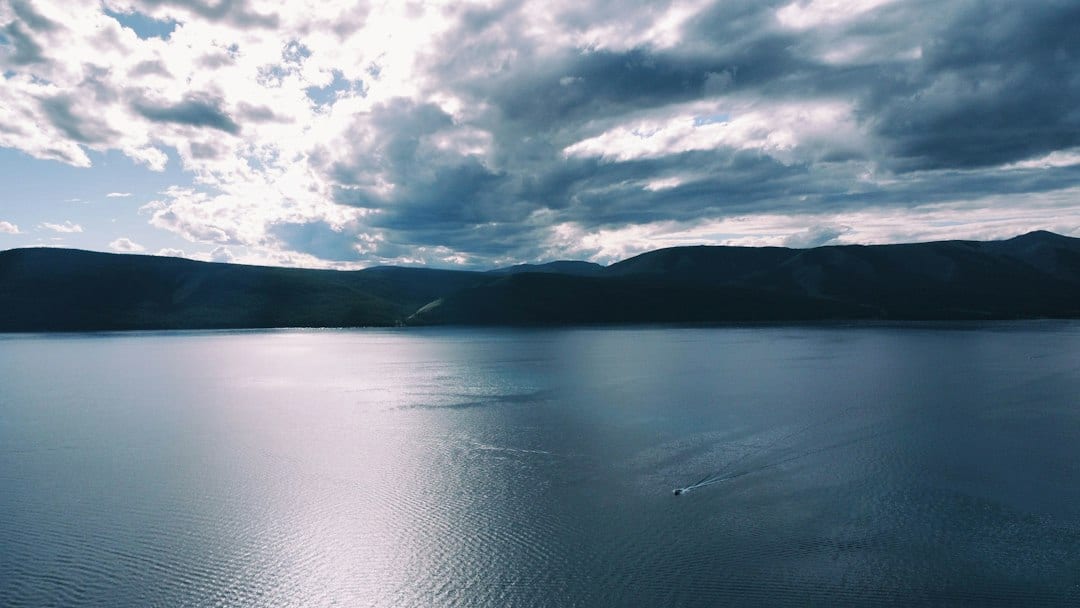
In our experience designing first journeys, summer is the window where the fewest compromises are needed. In the Gobi Desert, the main sites — Bayanzag, Khongoryn Els, Yolyn Am, Baga Gazriin Chuluu — are normally reachable in summer, and we adjust the route if conditions change; the Gobi camps we work with are normally all open, main routes are usually dry and passable, and daylight stretches into the evening. In Northern Mongolia, July and August bring the most reliable dry, firm roads and excellent access to Khuvsgul Lake.
The trade-off is demand, and it is real. A World Bank report citing UNWTO data found that in 2019 — before the pandemic — 42% of Mongolia's annual arrivals fell within the busiest three-month period. That concentration is why we recommend initiating contact four to six months ahead for summer travel and festival dates — preferred camps, guides and domestic seats are committed early. Midsummer is also festival season, which adds atmosphere but tightens availability further; our Festival Collection specialists handle those calendars separately.
Autumn: our recommended Gobi window
Ask our Design Team for a personal favourite and many of us will say autumn. September and October bring thinner crowds and clearer skies without the summer dust haze, and Gobi road conditions remain excellent through October in most years. We simply route journeys to finish before camps begin closing in late October.
In the north, September is a quietly beautiful month: roads are still good, early frost touches the higher ground, and the larch forests turn gold. Shoulder-season and autumn trips can often be arranged with two to three months' notice — though we still advise confirming early if your dates are fixed. For a deeper month-by-month view of the desert, see our Gobi season routing guide.
Travelling outside the summer peak?
Shoulder-season and cold-season journeys are designed bespoke. Tell us your dates and we will confirm every overnight and route stage before you commit.
Design a bespoke journeySpring: green reward, honest road caveats
May into early June delivers fresh green landscapes and noticeably fewer travellers, and March–April is when newborn livestock fill the pastures and nomadic life is at its most vivid. But spring is also the season we plan most cautiously. Roads into the Khuvsgul region can be soft or impassable during the thaw, so for late-May or early-June departures we build in an extra buffer day — river crossings may run higher than usual.
The Gobi is at its most unpredictable in April and May, with wind and dust storms reducing visibility. We find April and early May hard to recommend for a first Gobi trip because of soft thawing roads; late May, by contrast, can be excellent. When travellers do choose April, we add buffer days and keep routes closer to paved roads.
Winter: a different Mongolia, deliberately chosen
Winter here is cold — Gobi nights in January and February are severely cold, so we shorten driving stages and confirm every overnight in advance — but under clear blue skies it is a dry cold that feels quite different from the damp winter climates most travellers know. The off-season is quiet and genuinely distinct. What winter demands is honest planning: short daylight limits how far you can comfortably drive each day, from around October, snow and ice can restrict northern access, and many ger camps close. Cold-season journeys are therefore best shaped as bespoke itineraries, where we confirm every overnight and route stage for your exact dates before you commit.
How Does Season Change Routing, Not Just Scenery?
This is the part most seasonal guides skip, and it is the part that shapes your actual days. When we design an itinerary, the season determines three things before scenery enters the conversation:
- Road surface and river levels. The same route that rolls smoothly in August can need a detour or an extra day during the spring thaw. That is why our northern spring itineraries carry buffer days as standard.
- Usable daylight. Long summer evenings let us place a dune walk or a nomadic family visit after the day's drive. In winter, the driving stage itself must fit inside a much shorter day, so distances shrink and stays lengthen.
- Camp availability. Summer means the camps we work with are open; from late October, closures begin, and autumn routes are sequenced to finish ahead of them.
None of this should read as a warning. It is precisely what a private, all-inclusive journey with 24-hour trip assistance is built to handle: when a crossing runs high or weather shifts, our team reroutes in real time rather than leaving you to improvise. As a women-led local Mongolian team with more than ten years of local expertise and Mongolia Tourism Association membership, we plan these adjustments from lived knowledge of the roads — and we would rather build slack into your itinerary than promise a schedule the season cannot keep.
The buffer-day principle
Travelling in late May, early June or April? Ask us to include a buffer day in your route. It costs one flexible day and buys resilience against thaw-softened roads and higher river crossings — a routine adjustment we make in spring.
How Do You Match Your Travel Window to Journey Length and Collection?
Your dates and your days available should be decided together. Here is how we counsel travellers:
Short journeys (around 10 days)
A 10-day window is tight for a true Gobi-plus-Central combination — we would rather you savour one region than rush two. Summer suits short journeys best because long days and firm roads keep driving stages efficient. The Standard Collection keeps those stages brisk, while the Family Collection is designed around shorter driving days with more breaks and, where possible, two nights per camp; Standard and Explorer routes cover more ground per day. With children, that pacing difference matters more in shoulder seasons, when days are shorter.
Two-region journeys (12–14 days)
A full two-region journey typically needs 12 to 14 days. This is the natural home of the Signature Collection, with premium ger camps and the fullest immersion, and the Deluxe Collection, which is designed around higher camp standards, slower overland pacing and longer stays — a comfortable way to travel in September, when evenings turn crisp. If you are weighing the two, our first-time visitor collection guide compares them in detail.
Expeditions with an Altai extension (two weeks or more)
Given the distances involved, an extension into Western Mongolia and the Altai is best suited to itineraries of two weeks or more. Summer's long days make those distances feel generous rather than gruelling. For how many days the north alone deserves, see our Northern Mongolia routing guide.
And if your dates are fixed by school holidays or leave, tell us first — a tailor-made journey lets us design the route around your window instead of forcing your window onto a set departure.
Choose Your Window: A Quick Decision Summary
- First visit, wanting the classic green Mongolia: June–August. Book four to six months ahead.
- Returning traveller, or crowd-sensitive: September–October — our recommended Gobi window, with golden northern forests in September. Two to three months' notice usually suffices.
- Travelling with children: summer on Family Collection pacing, or early September while roads remain firm.
- Drawn to nomadic life and newborn livestock: March–early May, with flexible routing and buffer days built in.
- Seeking a quiet, cold-season experience: winter, planned bespoke around short days and confirmed accommodation.
Mongolia rewards every season differently — the right window is the one matched honestly to your route, your pace and your party. Tell us your dates and what you hope to feel out there, and we will shape the journey around them, with local knowledge and 24-hour assistance the whole way.
Ready to choose your dates?
Share your travel window, journey length and interests through our inquiry form — our Design Team will reply with a routing proposal built for your season.
Start planning your journeyFrequently Asked Questions
Which months are best for a first trip to Mongolia?
June to August. For most first-time travellers, July and August give the warmest days, green steppe and the most dependable main routes in the regions we operate, including northern roads. If you prefer quieter travel, September is our recommended compromise — especially for the Gobi.
Is Mongolia worth visiting in winter?
Yes, as a deliberately different experience: the off-season is quiet, skies are famously clear, and the dry cold feels different from damp winter climates. Journeys are shorter in daily distance and planned bespoke, since many ger camps close and daylight is limited.
How far ahead should I book a summer trip?
We recommend initiating contact four to six months before summer travel or festival dates. Demand is heavily concentrated in the peak months, so preferred camps, guides and domestic seats are committed early. Shoulder-season and autumn trips can often be arranged with two to three months' notice.
Can I combine the Gobi and Northern Mongolia in ten days?
We consider ten days tight even for a Gobi-plus-Central combination. A full two-region journey typically needs 12 to 14 days, and adding the Altai calls for two weeks or more. With ten days, we would design one region deeply rather than two briefly.
Is late May a good time to visit Khuvsgul Lake?
It can be lovely — wildflowers emerge and crowds are thin — but roads may still hold soft sections from the thaw and river crossings can run high. We advise building an extra buffer day into any late-May or early-June northern itinerary.


