


Written by the Mongolianstar Adventures Travel Design Team — itinerary architects for our six collections and bespoke journeys, 10+ years of local routing experience. Published 15 October 2026 · Last updated 15 October 2026.
This eastern Mongolia travel guide starts with the honest short answer: the region rewards travellers who give it room, so treat it as a multi-day journey in its own right, not a day trip from Ulaanbaatar, and treat an east-plus-Gobi combination as a bespoke design conversation rather than an off-the-shelf loop.
The longer answer is about time math: what a short eastern add-on actually delivers, how driving days behave across open steppe, where the long transfers sit if you want grassland and desert in one trip, and who should visit the east now versus later. By the end you will know how to allocate days so the steppe feels like the destination, not the distance between checkpoints.
Key points
- The east is two landscapes: Khentii's forested mountains and rivers in the north, and vast open steppe in the south and far east, whose southern districts grade toward the Gobi's eastern margin further south-west.
- A short add-on from Ulaanbaatar reaches the nearer Khentii highlights; the deep steppe around the Menen Steppe and Buir Nuur needs a deeper allocation of days.
- Our design rule never stacks two long driving days back to back — every heavy transit day gets a lighter day or a two-night stay beside it.
- There is no published east-only or east-plus-Gobi tour; eastern journeys are designed privately on request.
- First-timers with 10–14 days usually get more from two well-paced regions than from three rushed ones.
Why does Eastern Mongolia need more days than it looks like on a map?
Because the east's value is scale, and scale takes time to feel. The World Bank's 2021 tourism report notes that most international visitor activity concentrates in Mongolia's central and southern regions — which is why the east receives far fewer visitors than the central and southern regions, and why its grasslands feel so open when you arrive.
The numbers that matter here are landscape numbers. Our Eastern Mongolia destination page describes the Menen Steppe in Dornod Province as one of Mongolia's largest unbroken plains — roughly 90 km by 60 km, west of Buir Lake. You cannot absorb a plain that size from a car window at speed. In our experience designing steppe routes, the moment travellers stop measuring the east in attractions and start measuring it in horizons is the moment the region clicks — and that shift needs unhurried days, not a tighter schedule.
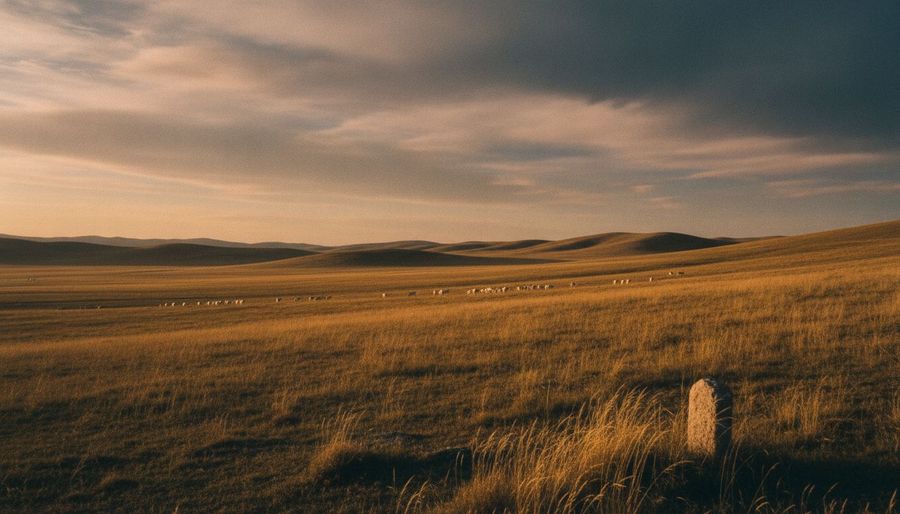
It helps to know that "the east" is really two regions wearing one name:
- Northern Khentii — taiga forest, rugged mountains and river valleys: the Onon and Kherlen Rivers, Khan Khentii Strictly Protected Area, Deluun Boldog (traditionally regarded as Chinggis Khaan's birthplace), and Khar Zurkhnii Khukh Nuur, the Blue Lake.
- The southern and far-eastern steppe — the Menen Steppe, Buir Nuur Lake, and the Mongol Daguur Strictly Protected Area in far-eastern Dornod, bordering Russia and China; the southern districts of the eastern steppe grade toward the Gobi's eastern margin further south-west. Baldan Bereeven Monastery (Sukhbaatar Province) is usually paired with the steppe leg rather than the Khentii loop.
These two halves reward different paces and different travellers, and the distance between them is exactly why "how many days?" has no single published number. It has tiers — and the ranges below are our design starting point.
Eastern Mongolia travel guide: how many days for each tier?
Design Team planning judgement — not a published itinerary. These are indicative ranges we use to open a design conversation; exact legs and day counts are confirmed for your dates during design.
| Tier | What it covers | Indicative days | What it cannot deliver |
|---|---|---|---|
| Nearer Khentii add-on | Deluun Boldog, the Onon and Kherlen valleys, Khan Khentii Strictly Protected Area | About 3–4 days from Ulaanbaatar | The far steppe: Menen and Buir Nuur |
| Khentii plus far steppe | Both halves of the east, with rest days between the long legs | Roughly 7–10 days including rest days | The Gobi inside the same trip |
| East plus Gobi | A steppe block, the connecting transfers and their rest days, then desert days | Plan beyond two weeks, or split into two trips | A relaxed pace inside a typical two-week holiday |
What does a short eastern add-on deliver — and when do extra days stop adding value?
Think in three tiers, based on how we structure regional journeys rather than a published eastern day-count (the east is designed privately, so exact allocations come out of your inquiry).
Tier one: a short add-on from Ulaanbaatar
A few days appended to a capital stay realistically reaches the nearer Khentii highlights — the history-and-river-valley side of the east. This tier delivers:
- Deluun Boldog and the Chinggis Khaan homeland story, with context from your guide.
- Forest-and-mountain scenery that contrasts sharply with the open steppe most visitors picture.
- A genuine taste of eastern Mongolia without committing your whole trip to it.
What it does not deliver is the far steppe. The Menen plain and Buir Nuur sit deep in Dornod, and compressing them into a short add-on turns the journey into exactly what we advise against: driving through the landscape instead of being in it.
Tier two: a deeper eastern journey
Give the east a substantial block of your itinerary and both halves open up — Khentii's valleys and the far grasslands, with rest days between the long legs. This is the tier where wildlife becomes plausible rather than incidental. The Convention on Migratory Species (CMS) reports that recent estimates suggest around one million Mongolian gazelle remain, with the core population in eastern Mongolia — though it cautions that population estimates vary widely, from 400,000 to 2,700,000 animals. Our own destination page notes that thousands live on the Menen Steppe. More days on the plain means more dawn and dusk windows, which is when steppe wildlife is most active.
This tier also lets you meet the east's human texture: the eastern steppe is home to Khalkha, Barga, Uzemchin and Dariganga communities, with Buryat families in parts of Khentii, and a nomadic family visit arranged with time to spare is a different experience from a scheduled stop.
Where extra days stop paying off
There is a point — and it is worth being honest about it — where a third or fourth day of identical grassland adds less than the same day spent in a contrasting landscape. In our view, once you have felt the Menen's scale, watched wildlife at two or three golden hours, and sat with a herding family without checking the time, additional pure-steppe days mostly deepen rather than widen the experience. If your total trip budget is fixed, that marginal day often buys more elsewhere. Where exactly that line falls depends on you: a photographer or a steppe purist will place it much later than a first-timer sampling regions.
Why there is no fixed eastern day-count on our site
Eastern Mongolia is marked "Private trips on request" on our destinations page — there is no published east-only itinerary. Every eastern journey is shaped around your dates, pace and interests, so the right number of days comes from a design conversation, not a brochure.
How should an eastern route sequence from Ulaanbaatar?
Eastward journeys follow one structural logic: out along a corridor, deeper into the steppe, back with rest built in. The nearer Khentii targets sit closest to the capital; the far-eastern grasslands lie well beyond them. Sensible sequencing therefore visits the near highlights on the way out (or on the way back), and protects consecutive unhurried days for the deep steppe in the middle.
We do not publish kilometre-by-kilometre legs for eastern targets, and we will not guess them here — track choice, river crossings and weather change the math. What we can give you is the pacing framework every eastern design obeys:
- Unpaved reality: as a design assumption rather than a measured figure, we allow a 300 km unpaved day to absorb most of a daylight period, depending on track conditions, river crossings and weather. Open steppe looks fast on a map; it rarely drives fast.
- The one-long-day rule: we never stack two long driving days back to back. No more than one long transit day between regions, always with a rest or activity day on either side.
- Heavy days earn light ones: as a planning estimate — not a published route figure — we treat 250–380 km as a heavy day on mixed surfaces, and each heavy day is followed by a lighter day or a two-night stay. We confirm actual legs for your dates during design.
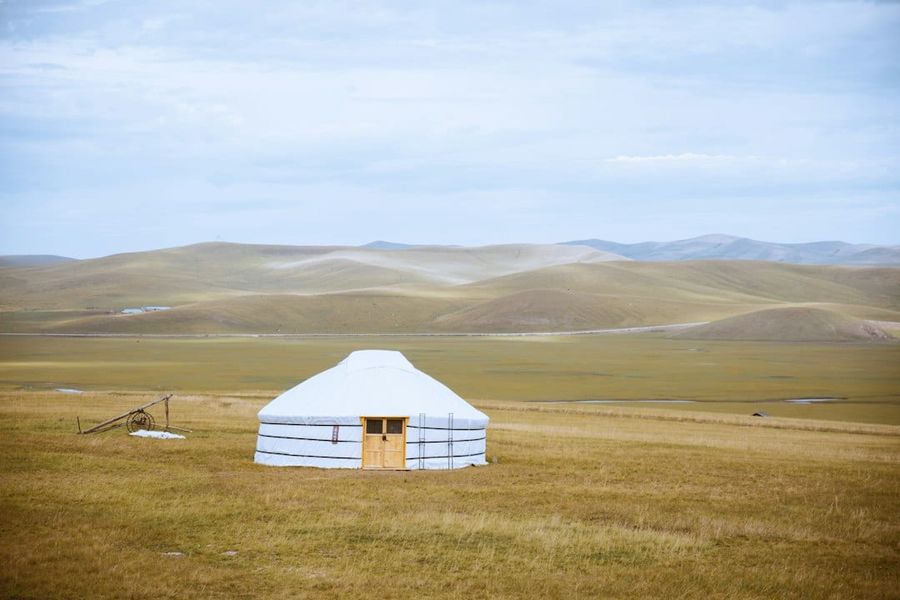
Applied to the east, that framework means:
- 1
Anchor the near east first — sequence Khentii's river valleys and historical sites as the opening movement, so the first driving days stay moderate.
- 2
Protect a deep-steppe block — allocate consecutive days to the Menen and Buir Nuur area with at least one no-transit day inside it.
- 3
Split the return — break the long run back toward Ulaanbaatar with an overnight and a light activity day rather than one marathon drive.
- 4
Ask for the actual legs — when you inquire, we map your specific targets to current track conditions and give you real driving-day figures before you commit.
For how these rules play out on a full trip, our northern Mongolia day-count guide applies the same pacing discipline to another region, and the Orkhon Valley travel guide shows what giving one region room looks like in practice.
Can you combine the eastern steppe with the Gobi in one trip?
Yes — but not because they are adjacent. The far east and the Gobi sit on different axes from Ulaanbaatar, so the pairing works only when the connecting transfers and their rest days are counted first. Feasible is not the same as advisable for every traveller, and the deciding factor is your day budget.
Here are the planning inputs we use as a design starting point — your actual legs are confirmed during design:
| Planning input | Design Team planning judgement (not published guidance) |
|---|---|
| First trip covering two distinct regions | 10–14 days without rushing |
| Southern Mongolia (Gobi) on the ground, first-timers | 5–6 days; 7+ days for a relaxed pace |
| Gobi in 3–4 days | Only with flights both ways and a short target list |
| Long transfers between regions | One long transit day maximum, rest or activity days on either side |
| Published Gobi tour lengths | See our Gobi tour pages for current day counts |
Add those together honestly and the conclusion emerges on its own: a meaningful eastern block plus a first-timer's 5–6 Gobi days plus the connecting transfers pushes past what a typical two-week holiday comfortably holds. That is why we publish no east-plus-Gobi loop — the combination lives in tailor-made territory, where the route is built around your actual dates.
Where the long transfers sit
An east-to-south journey crosses the steppe-to-desert transition rather than returning through the capital, which is elegant on paper but places its longest driving legs in the middle of the trip — precisely where our one-long-day rule demands rest days on both sides. Those rest days are not padding; they are the difference between arriving at the dunes rested and arriving depleted. When we assess a combination like this, the transfer legs and their recovery days are counted first, and the sightseeing is fitted around them — never the reverse.
One lever can change the math: a domestic flight via Dalanzadgad can replace one or both Gobi driving legs where schedules allow, freeing days for the steppe. Whether flying suits your dates is something we check during design. For the desert side's own pacing detail, we map the Gobi driving legs and any flight option against your dates during design.
When to split them into separate trips
Consider two journeys rather than one when:
- Your total window is under two weeks and you want both regions done properly.
- You are travelling with children, where consecutive transit days cost more than they do for adults.
- The steppe is your primary love — a dedicated eastern journey will serve it better than a hybrid.
For many travellers we would suggest a Gobi-first trip, then an eastern steppe journey on a second visit, when the desert icons are already ticked and the grassland can have the whole itinerary to itself. If you would rather explore the pairing, a soft next step is simply to see how the two might fit your dates.
Considering steppe plus desert?
Tell us your dates and must-sees, and we will map the transfers honestly — including whether one trip or two serves you better.
Email us about bespoke journeysWhen should you go, and what can we not confirm about eastern access?
Season changes the day-count as much as distance does. As Design Team planning judgement, we favour the summer months for the deep steppe, when long daylight hours give the long legs room. In winter and early spring, snow, mud and thaw can slow the same tracks further, so an identical route needs more days or a shorter target list. We re-check conditions for your dates before confirming any leg.
- Gazelle calving: we do not publish a calving calendar and will not build an itinerary around one. The CMS species page is our reference for population context, not for a date you can book against.
- Eastern flight access is unconfirmed: nothing in this guide assumes a flight into the east, and no Choibalsan connection is planned or promised. Eastern legs are treated as driving legs.
- Only the Gobi flight option is discussed: the Dalanzadgad service mentioned above is the single domestic flight lever in this guide, and whether it suits your dates is checked during design.
Who does the east reward — and who should go elsewhere first?
The east rewards you if:
- You are a steppe purist — you want horizon, silence and scale more than a checklist of landmarks.
- You are a wildlife seeker drawn to the gazelle grasslands and the Mongol Daguur protected area.
- You are a returning traveller who has done the Gobi or Khuvsgul and wants the Mongolia fewer visitors see.
- You care about history at its source — standing at Deluun Boldog, in the homeland of Chinggis Khaan, with the Onon valley around you.
Prioritise other regions first if:
- This is your only Mongolia trip and it is short — the Gobi's dunes and cliffs or the north's lake-and-forest scenery deliver more variety per day for a first visit.
- Your group needs dense activity variety; the east's gift is depth, not density.
- You have under about ten days total — our first-trip guidance is 10–14 days for two regions done well, and the east competes hard for those days.
Is there a set number of days you recommend for Eastern Mongolia?
There is no published day-count — eastern journeys are private trips on request. As Design Team planning judgement: a nearer Khentii add-on takes about 3–4 days from Ulaanbaatar; Khentii plus the far steppe around Menen and Buir Nuur needs roughly 7–10 days including rest days; east plus Gobi means planning beyond two weeks or splitting into two trips. Exact legs are confirmed during design.
Can I see the Menen Steppe on a short trip from Ulaanbaatar?
Realistically, no — not in a way that does it justice. The Menen lies deep in Dornod Province. As a planning estimate rather than a published route figure, we allow a 300 km unpaved day to absorb most of a daylight period, so a short add-on leaves too little time on the plain itself.
Is combining Eastern Mongolia and the Gobi possible in two weeks?
It is a bespoke question rather than a standard route. With a first-timer's recommended 5–6 Gobi days, a meaningful eastern block, and rest days around the long connecting transfers, two weeks gets tight. A domestic flight via Dalanzadgad can free up driving days where schedules allow — we assess this during design.
Will I definitely see gazelles on the Menen Steppe?
We never promise wildlife sightings. The eastern steppe holds a globally significant gazelle population — CMS notes recent estimates of around one million Mongolian gazelle with the core population in the east — and extra days at dawn and dusk improve your chances, but the animals keep their own schedule.
The bottom line
Give the east enough days to feel its scale, or save it for a whole future trip. Short add-ons suit the nearer Khentii highlights; the deep steppe asks for more, and an east-plus-Gobi combination asks for honest transfer math. Tell us your dates, your pace and what you came for, and we will build the day-count around the journey you actually want.
Let's do the time math together
Share your travel window and interests, and our design team will map an eastern journey — or a steppe-and-desert combination — with realistic driving days and room to breathe.
Start your trip inquiry


