


Getting around Mongolia on our private journeys has a steady shape. On ger-camp itineraries the day runs camp to camp — morning transfer with breaks on request, gers ready on arrival, an afternoon activity and dinner at camp. Camping nights and city stays follow a different rhythm, which your itinerary sets out day by day. Your guide is with you through the day, and our 24-hour trip assistance desk is reachable overnight. Driving lengths vary by route and are confirmed in your itinerary before you travel — this article walks through what the day feels like, what the roads are honestly like, and when a domestic flight can replace a driving day.
A travel day at a glance
- The day runs camp to camp: morning transfer, breaks on request, gers ready on arrival, afternoon activity, dinner at camp.
- Roads mix pavement between major towns with dirt and gravel tracks in the countryside — we plan driving days in hours, not kilometres.
- Your vehicle is yours alone: stops happen when your group wants them, not on a fixed group schedule.
- Domestic flights exist on selected routes and can save a long driving day — ask the desk whether your route qualifies.
- If plans change, your guide contacts our 24-hour desk, which arranges help and stays with you for as long as you need it.
What does a driving day between camps actually look like?
The shape is simple: you leave one camp after breakfast, drive with breaks, and arrive at the next camp with everything ready. In our family itinerary guide we describe the day exactly this way — a morning transfer, arrival at the camp with gers set up, an afternoon activity chosen for the children's ages, and dinner at the camp.
That rhythm is deliberate. The transfer is the working part of the day; the camp is where you settle. You are not packing and unpacking a different hotel every few hours, and you are not waiting on other travelers' schedules. Your guide travels with you, handles the logistics at each end, and stays reachable through the day.
Transfers on our private routes fall into three shapes: short hops between nearby landmarks, half-day transfers, and full-day crossings of open country. The hours for each leg, including the Ulaanbaatar–Gobi transfer, are set out in our drive-time and pacing guide. We confirm the driving lengths in your itinerary before travel, so there are no surprises — and if a leg looks too long for your group, that is a conversation to have before booking, not on the road. Our Travel Design Team's routing posts cover how many days each region deserves; here we're only describing what those days feel like from the passenger seat.
| Leg type | What the day feels like | Break pattern | Reliable comfort points |
|---|---|---|---|
| Short hop | Most of the day is spent out of the vehicle; the drive simply links two nearby places. | One stop if you ask for it. | Camp facilities at both ends. |
| Half-day transfer | Roughly half the day in the vehicle, with an activity at the far end. | Agree a rough rhythm with your guide in the morning; stops on request. | Departure and arrival camps; little in between. |
| Full-day crossing | Most of the day in the vehicle across open steppe, ending with dinner and beds at camp. | Several breaks planned with your guide; lunch may be packed. | Camps at each end only — en-route facilities are rare. |

What do stops look like — and where are the bathrooms?
Stops happen when you ask for them, and en-route facilities are rare, so plan breaks with your guide rather than expecting them along the way. Countryside transfers cross open steppe, and on our journeys the practice is simple: tell your guide whenever you or a child needs a stop, and they will find a suitable place.
In practice, a stop can be anything your group wants: stretching legs at a viewpoint, a photo break when the light is right, or simply pulling over because someone needs a moment. On a private journey the vehicle waits for you, not the reverse. For families, we suggest agreeing a rough break rhythm with your guide at the start of the day — it removes the "should I ask?" hesitation that makes long drives harder with children.
Confirm lunch arrangements before the day starts
Whether a transfer day includes a packed lunch or a stop where food is available depends on the route and the day's plan. Ask your guide the evening before, or ask our desk when your itinerary is confirmed — it is a normal question and we would rather answer it early than have you wondering at midday.
For bathrooms, the honest answer is: camps have facilities, the open steppe between them largely does not. Plan around that with your guide, especially with young children, and treat each camp arrival as the reliable comfort point of the day.
What are the roads really like for getting around Mongolia?
Paved highways connect Mongolia's major towns, while much of the countryside runs on unpaved tracks. A JICA data collection survey (2019) describes the network as it stood then: state roads connected Ulaanbaatar with provincial centers, important towns and border crossings, while roads leading from the paved Ulaanbaatar–Dalanzadgad corridor to most soums and tourist spots were unpaved. Paving has continued since, so we confirm current surface conditions for your specific route. That pattern is why our vehicles matter: our FAQ describes Russian UAZ vans as well-suited to Mongolia's off-road terrain.
Our own Ulaanbaatar–Gobi transfer guide describes the surfaces between Gobi landmarks as a mix of graded dirt tracks, gravel and occasional paved sections, with conditions shifting by season and weather. This is ordinary travel here, not an ordeal — but it is also why we plan in hours rather than kilometres. In our experience a distance that looks modest on a map can take considerably longer on a shifting track surface, so the itinerary you receive states realistic driving times, not optimistic ones.
You do not need to choose the vehicle from scratch: modern vans with A/C suit families and small groups, 4WD vehicles such as the Toyota Land Cruiser suit smaller groups wanting flexibility, and buses serve larger groups. We compare UAZ vans, A/C vans, Toyota Land Cruisers and buses in detail in our vehicle comparison guide — for this article, the point is simply that whichever vehicle carries you, it is matched to the terrain and to your group.
Paperwork between regions is light on our routes: our Getting to Mongolia page explains that there are no routine permit requirements for travel between provinces on our routes. Some border zones and strictly protected areas do require permits, and you will need your passport for domestic flights — send us your route and we will confirm exactly what applies.
When does a domestic flight save a driving day?
Domestic flights are available on selected routes and can save time and reduce long driving distances — that is what our FAQ states, and it is the full extent of what we can promise without checking your specific dates. Whether a flight makes sense for your journey depends on the route, the season and availability, so ask the desk before you build your hopes around one.
The trade-off worth weighing is time against landscape. A long transfer across the steppe is itself part of the journey — the gradual change of scenery, the stops, the sense of the country's scale. A flight trades that road experience for hours back in your itinerary. Neither choice is wrong; families with limited days often value the time, while travelers on a longer journey may prefer to keep the drive. What we suggest is deciding leg by leg, with the desk confirming which of your transfers could realistically fly.
If flying is on your mind, message our desk on WhatsApp with your rough route and dates and we will come back to you with what is currently possible.
Why does having your own driver-guide change the day?
Because the day bends around your group instead of the group bending around the day. On a private journey the vehicle, the pace and the stops are yours. In our experience this is the single biggest difference travelers notice compared with fixed group departures: nobody is counting heads at a rest stop, and a slow morning does not cascade into a rushed afternoon.
Behind that flexibility sits a documented support chain. When something goes wrong on the road — a child feeling unwell, for example — your guide contacts our 24-hour desk, and we stay with you and keep arranging help for as long as you need it. You are never the one making phone calls from the back seat. Guests on tour have 24-hour trip assistance from planning through return home, and the guide–desk link is how it works in practice, not just a line on a brochure.
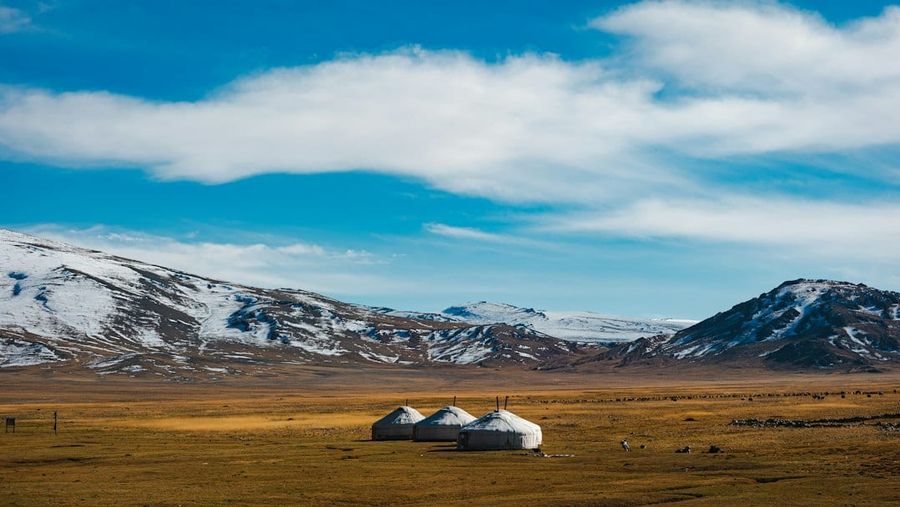
A typical scenario: a family finds the planned transfer longer than their youngest can comfortably manage. The guide adds breaks, adjusts the day's timing, and if needed loops in the desk to adjust what follows. We describe this as the way our journeys are designed to flex — your itinerary confirms the plan, and the plan has room to breathe.
Will long drives wear down my family?
It depends on the route's driving lengths and how the days are paced — which is exactly why both are settled before you book. We cannot claim that any pacing formula guarantees fresh children at every camp; what we can say is that the rhythm above exists to keep transfers manageable: breaks on request, an activity sized to your children's ages at the far end, and dinner and beds waiting rather than another task.
For a fuller look at camp comfort, activities and how our Family Collection approaches pacing with children, our family itinerary guide is the natural next read. And for the specific question of how long the Ulaanbaatar–Gobi transfer takes and how to pace it, see our drive-time and pacing guide.
What keeps long transfers safe and comfortable?
Three things are settled before you travel: the vehicle matched to your group and the terrain, the driving lengths written into your itinerary, and the guide–desk support chain behind every day. The details families ask about next — seat belts, whether a child seat can be arranged for your child's age, and how driver rest is handled on the longest legs — should be confirmed with the desk for your specific vehicle and route rather than assumed.
If weather closes a track or a vehicle needs attention, your guide contacts our 24-hour trip assistance desk and help is arranged from there. Ask before booking what the fallback is on your route if a leg cannot be driven as planned, and how a re-routed day would change what follows.
What should I ask the desk before booking?
Send us the questions that decide whether the pacing fits your group. The answers shape your itinerary, and asking early costs nothing:
- Driving lengths: How long is each transfer on my route, in hours, and which is the longest day?
- Breaks and facilities: Where are the reliable bathroom points, and how do we handle stops with young children?
- Meals on transfer days: Which days involve packed food, and what can you accommodate for our diets?
- Flights: Could any leg of our route fly instead of drive, and what would we gain and give up?
- Flexibility: If a day needs re-pacing on the road, what changes and who decides?
- Vehicle: Which vehicle will carry our group, and does it have the space and A/C we need?
Send us your rough route and dates and we will come back to you with what is currently possible. The regions these travel days connect are worth a browse first, so your questions come with a rough route in mind.
Do I need permits to travel between provinces?
For the routes we run you do not need a special permit simply to travel between provinces. Some border zones and strictly protected areas do require permits, and you will need your passport for domestic flights — send us your route and we will confirm exactly what applies.
Is someone reachable if we need help overnight at a camp?
Yes. Guests on tour have 24-hour trip assistance. Your guide is with you through the day, and our desk is reachable overnight; when something goes wrong, the guide contacts the desk and we stay with you and keep arranging help for as long as you need it.
Can we change the plan mid-day if someone is tired?
On a private journey, yes — that is the point of having your own vehicle and guide. Stops happen when you ask, and if a change affects what follows, your guide coordinates it with our desk. Bigger changes are best discussed before booking so the itinerary is built with room to flex.
How we help on the road
We are the Guest Care Team — the desk behind our 24-hour trip assistance, part of a women-led local team with over ten years of expertise running all-inclusive private journeys. Before you travel, we confirm the driving lengths, the vehicle and the day-by-day rhythm in your itinerary. During your journey, your guide handles the road and the desk handles everything behind it, around the clock. Afterward, we are still the same number in your phone.
Let's pace your journey properly
Tell us your dates, your group and your worries about long drives. We will shape the transfers, breaks and camp days around them — and confirm every driving length before you commit.
Send us your rough route and dates and we will come back to you with what is currently possible: WhatsApp +976 99995941 or email uyanga@mongolianstar-adventures.com. Once you are on tour, help is a call away at any hour.
Plan my tripSources
- JICA (Japan International Cooperation Agency) — data collection survey on Mongolia's road network (2019) — a snapshot of the network at the time of the survey; current surface conditions are confirmed route by route.
